
Bananas are loaded with essential vitamins and minerals such as potassium, calcium, manganese, magnesium, iron, folate, niacin, riboflavin, and B6. These all contribute to the proper functioning of the body and help support brain, heart, and skin health. Additionally, bananas can aide in digestion and combat other gastrointestinal issues by providing necessary fiber. In fact, for several decades starting in the 1920s, bananas were believed to be the cure of celiac disease, a serious autoimmune disorder that leads to severe intestinal damage following the ingestion of gluten.
In 1924, before the specifics of celiac disease were known, Dr. Sidney Haas, a U.S. pediatrician, implemented a banana-based diet to combat the illness. The diet forbade starches but included numerous daily bananas alongside dairy, meats, and vegetables. The diet was so effective that in the 1930s, the University of Maryland endorsed it, according to pediatric gastroenterologist Alessio Fasano, chair of pediatrics at Harvard Medical School and a specialist in celiac disease. “At that time, around 30 percent of children with celiac died. Parents were instructed to drop their children off at the hospital for six months,” says Fasano. If the children survived and thrived on the banana-based diet, the parents could then “pick them up and take them home.” Parents and children came to Haas from all over the U.S. and he treated over 600 people who had celiac disease.
Haas arrived at his banana diet through an honest error. In his 1924 paper, he wrote of a town in Puerto Rico where “dwellers who eat much bread suffer from [celiac] sprue while the farmers who live largely on bananas never.” Haas overlooked the role of wheat and focused instead on the exotic bananas, which he thought held curative powers. Unfortunately for patients like Lindy Thomson, his disregard had serious repercussions for people with celiac disease.
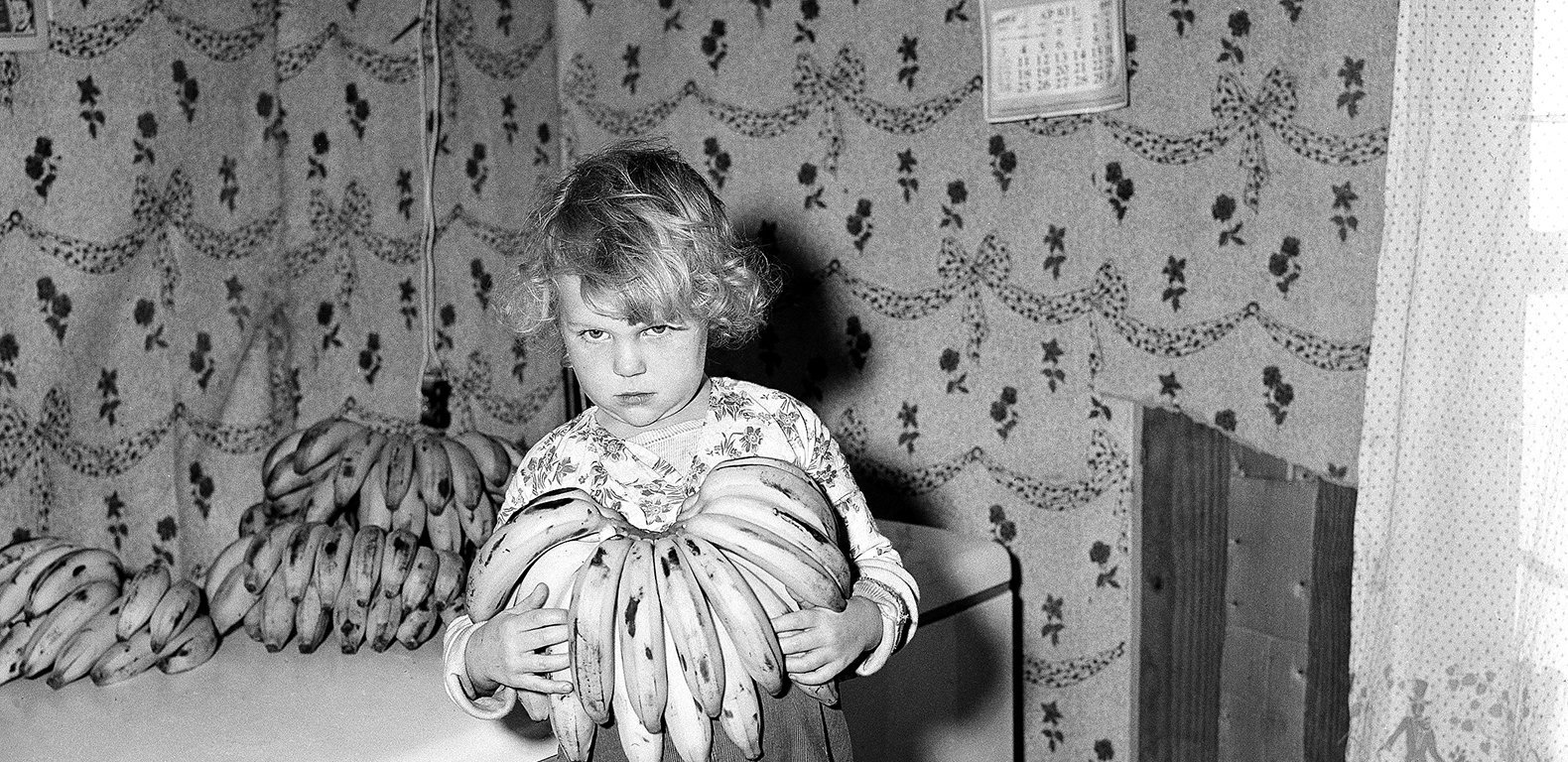
In 1945, celiac disease patient, Lindy Thomson, was 2 years old and had been given only a few weeks to live due to her debilitating celiac symptoms. It wasn’t until meeting with Dr. Douglas Arnold in Buffalo, N.Y., that she was encouraged to follow Haas’s diet and eat at least 7 bananas a day. After following her doctors instruction, Lindy’s symptoms subsided. Lindy later reintroduced gluten into her diet after believing she had outgrown the disease. Unfortunately, at the age of 66, she discovered that her celiac disease had not diminished, but rather severely damaged her intestines as it remained untreated. This lack of treatment may have additionally contributed to the multiple miscarriages, frequent colds and bronchitis, and interminable constipation she experienced throughout her lifetime. Now, at the age of 74 and off gluten, all such symptoms are gone.
The banana diet remained a common treatment for celiac disease until the early 1950s, when Dutch pediatrician, Willem Karel Dicke, and his colleagues identified gluten as the trigger for celiac disease. Bananas were then discredited as a celiac disease treatment and the gluten-free diet (and current mainstay of treatment today) was born.
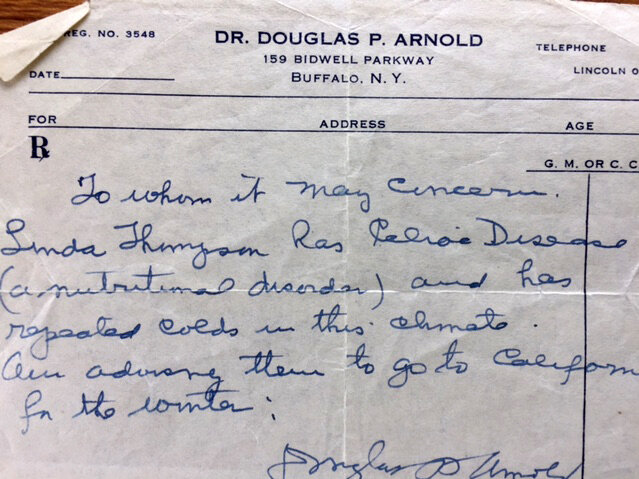
Courtesy of Lindy Redmond
References
Neimark, Jill. “Doctors Once Thought Bananas Cured Celiac Disease. They Saved Kids’ Lives – At A Cost.” NPR, NPR, 24 May 2017, http://www.npr.org/sections/thesalt/2017/05/24/529527564/doctors-once-thought-bananas-cured-celiac-disease-it-saved-kids-lives-at-a-cost.
 Healthy Hits the Spot 101